en
en fr
fr es
es zh
zh
Ylang Ylang Essential Oil is highly concentrated in monoterpenic alcohols and carbides, as well as geranyl acetate. These different molecules give it the following main properties:




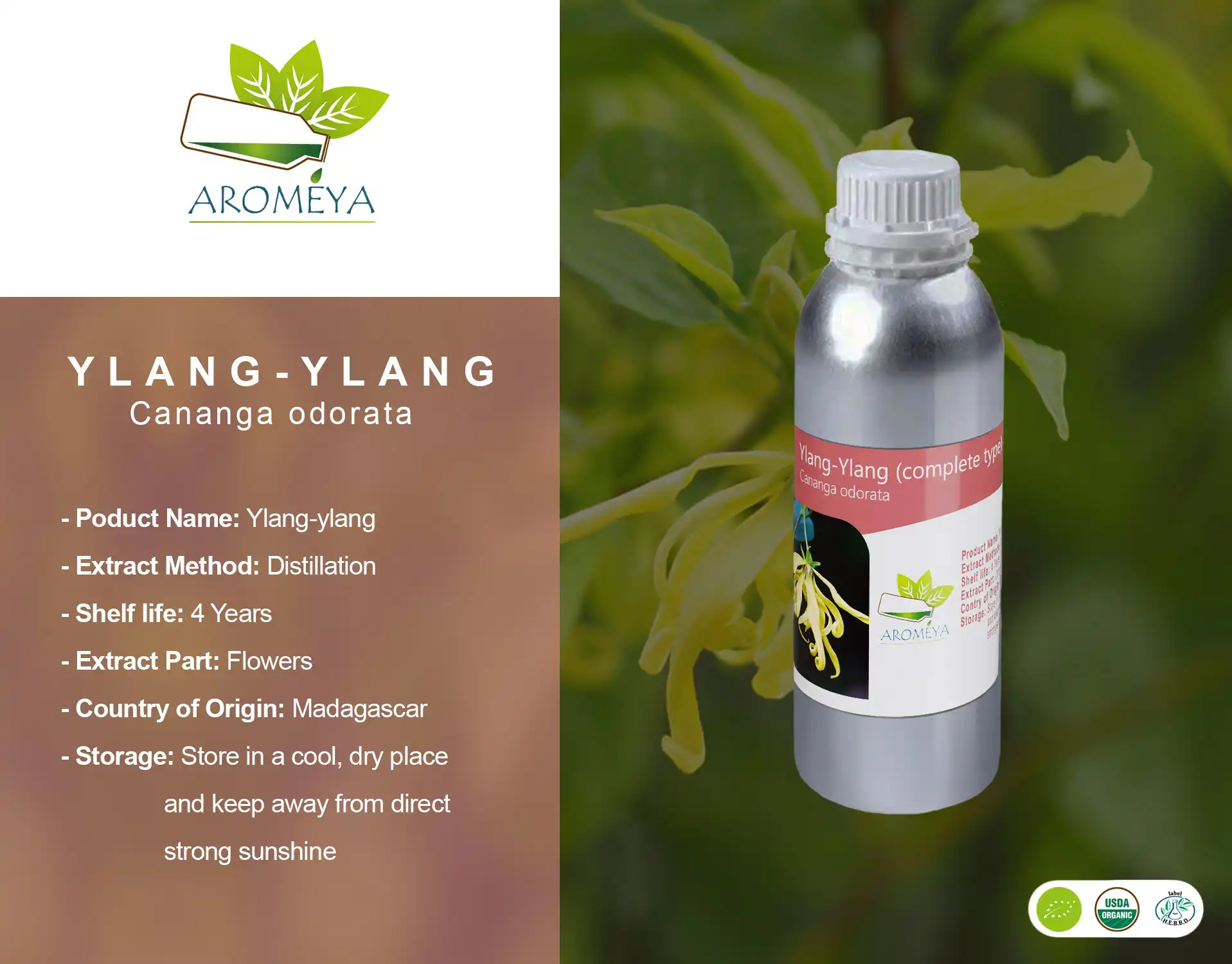
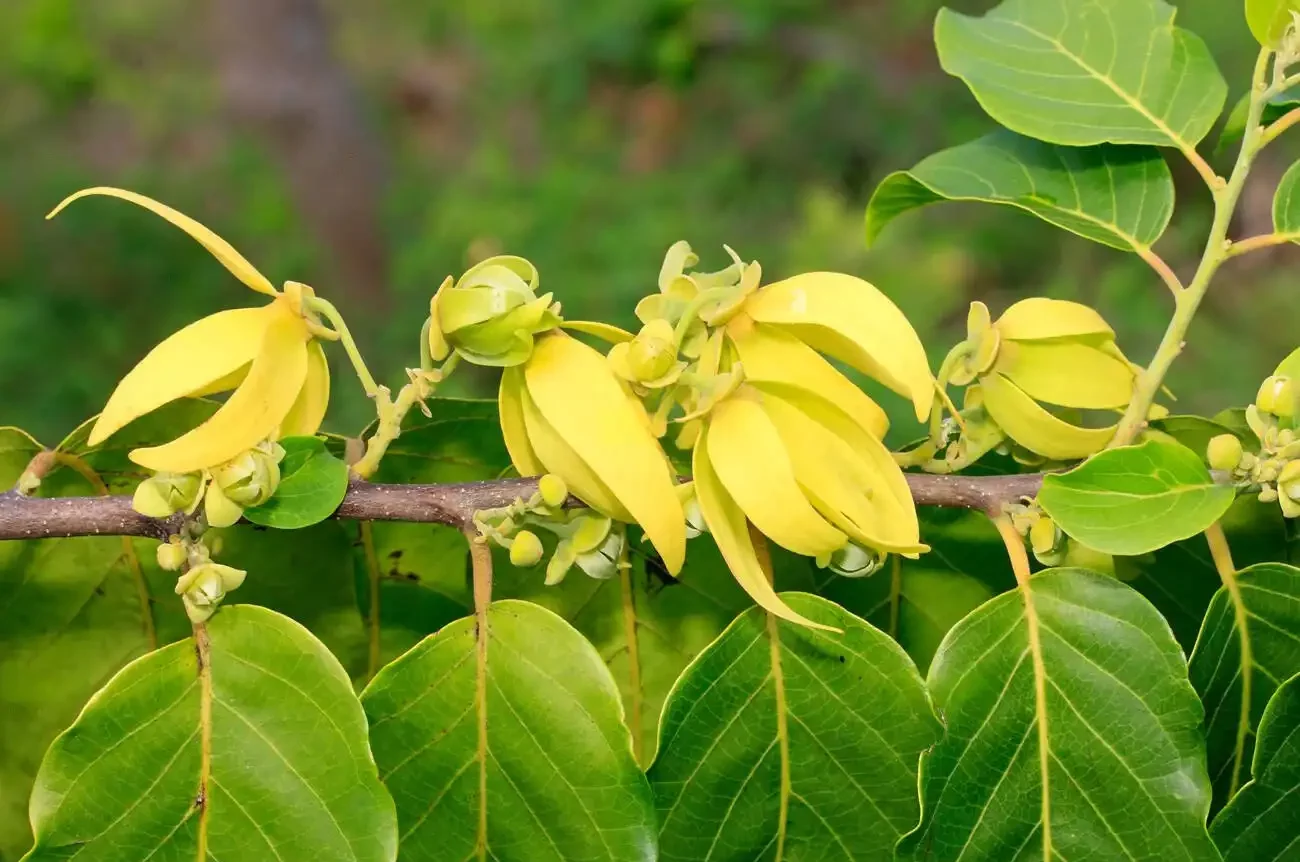
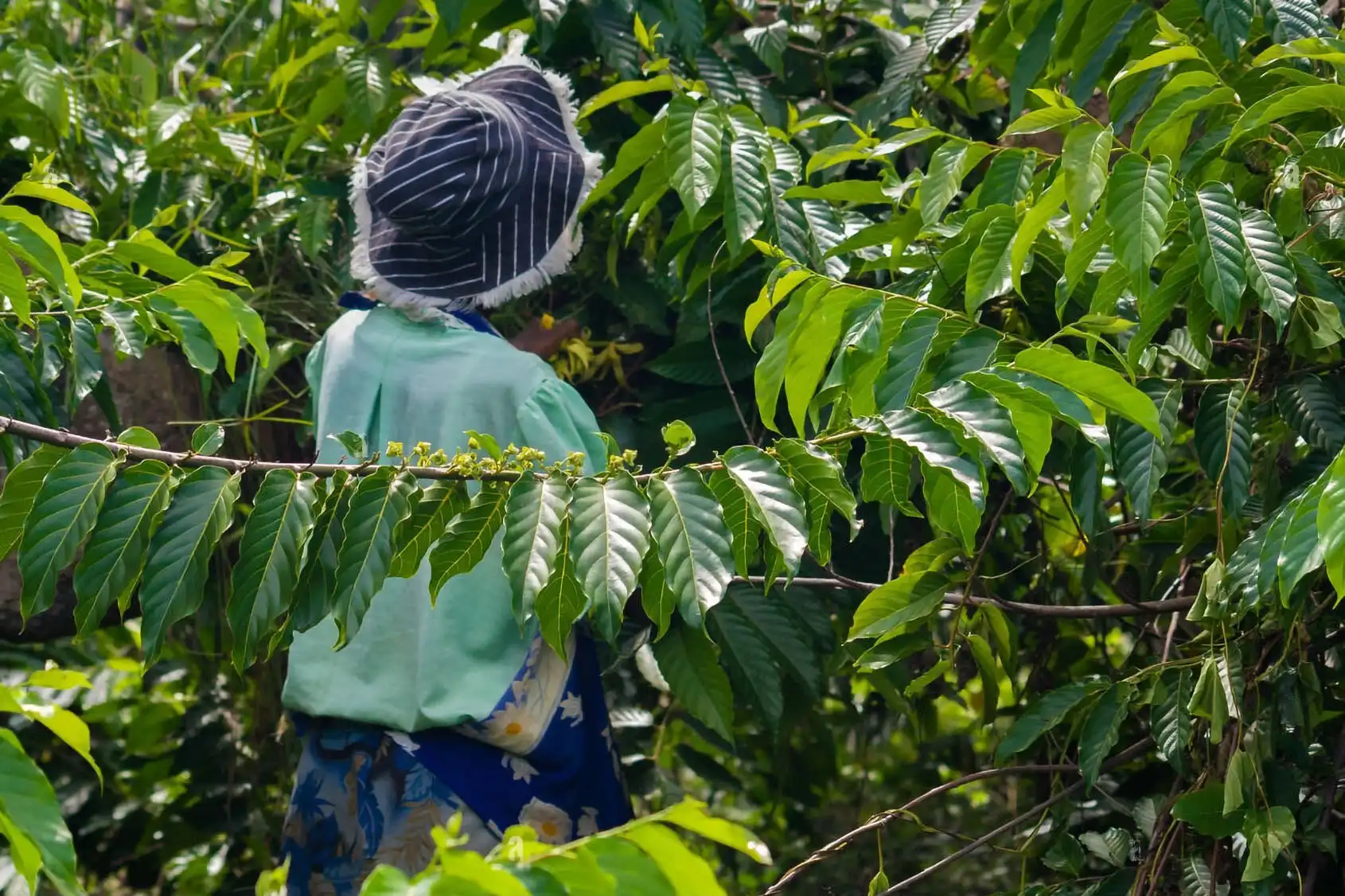
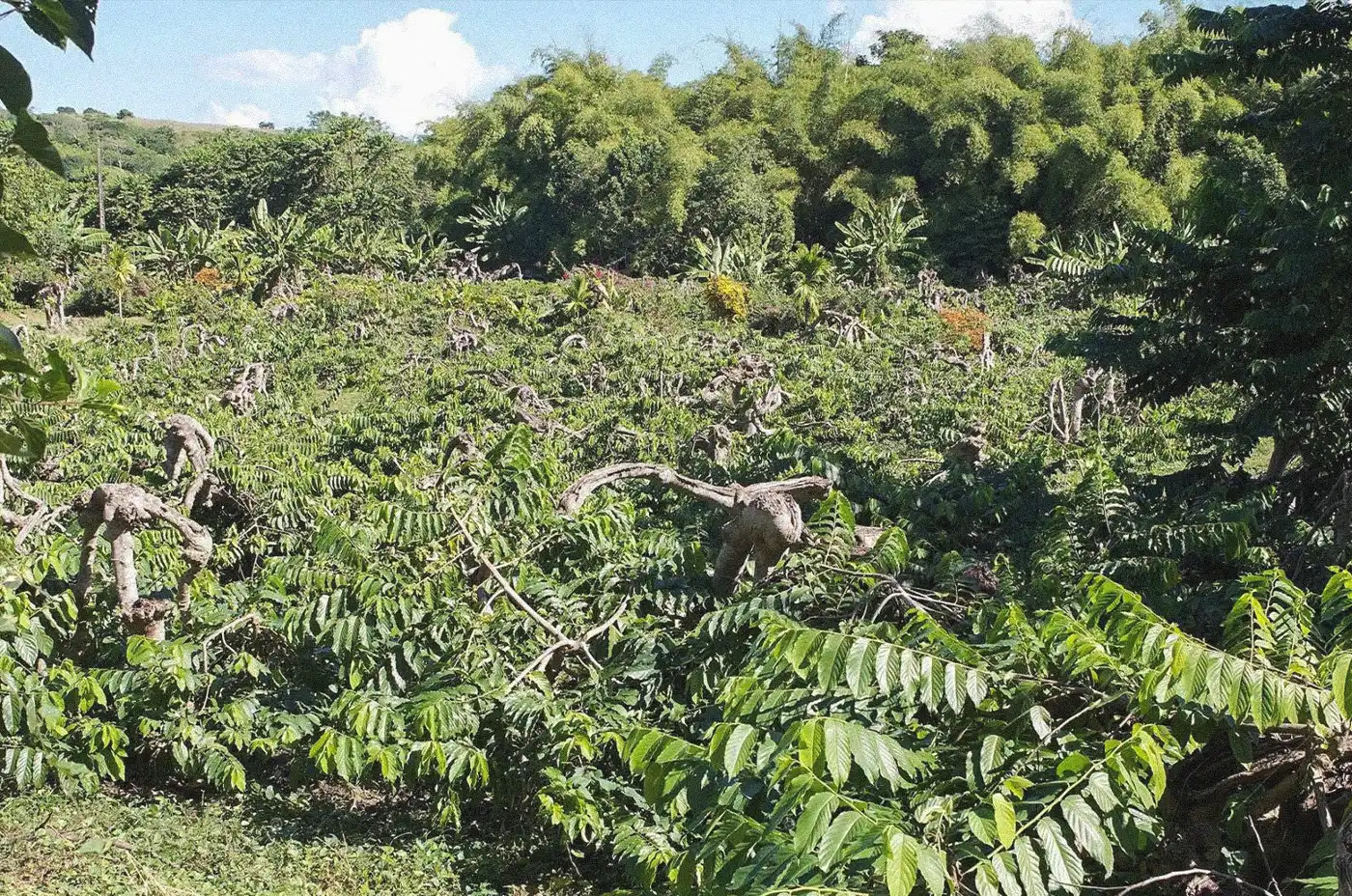
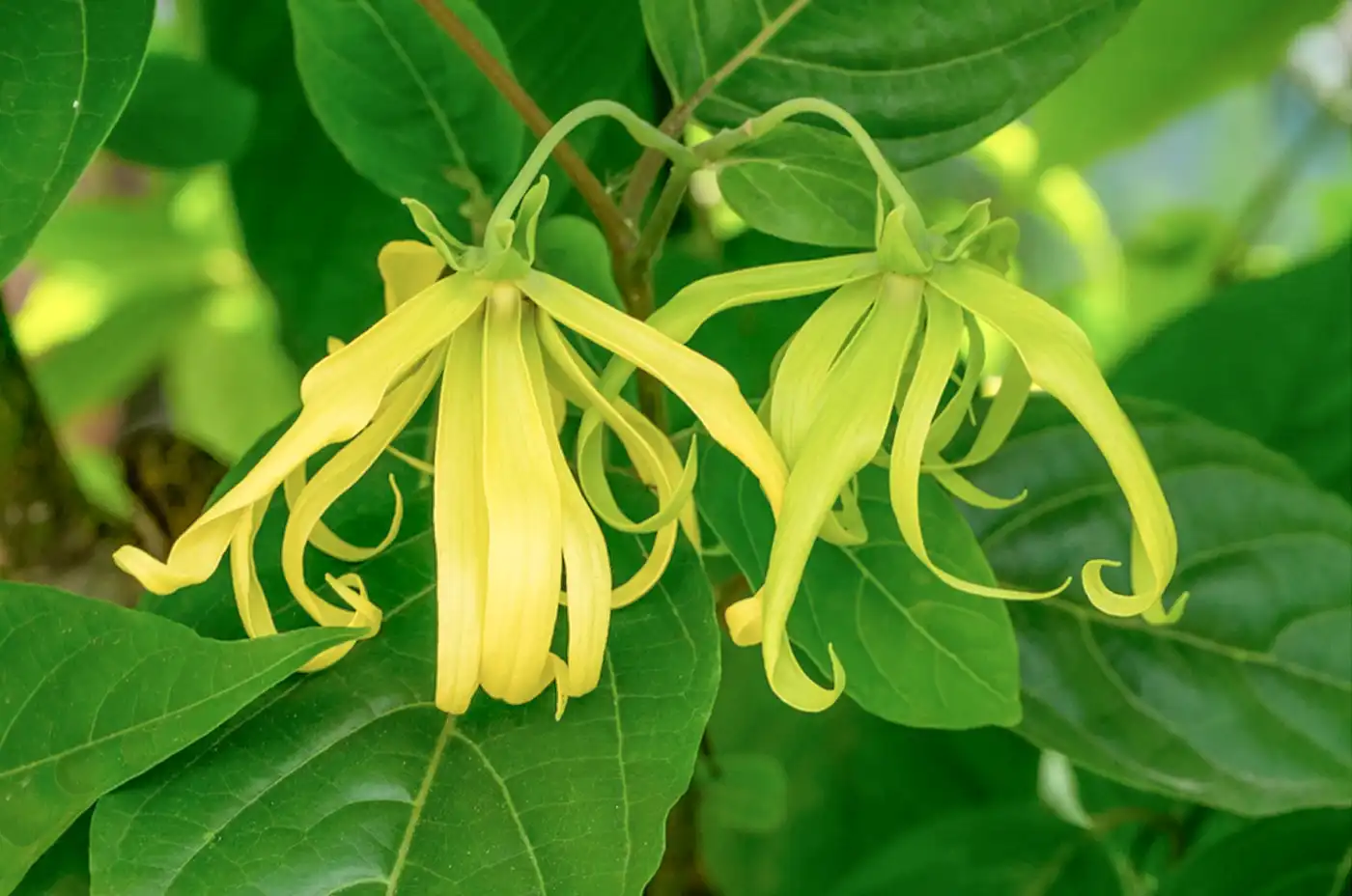
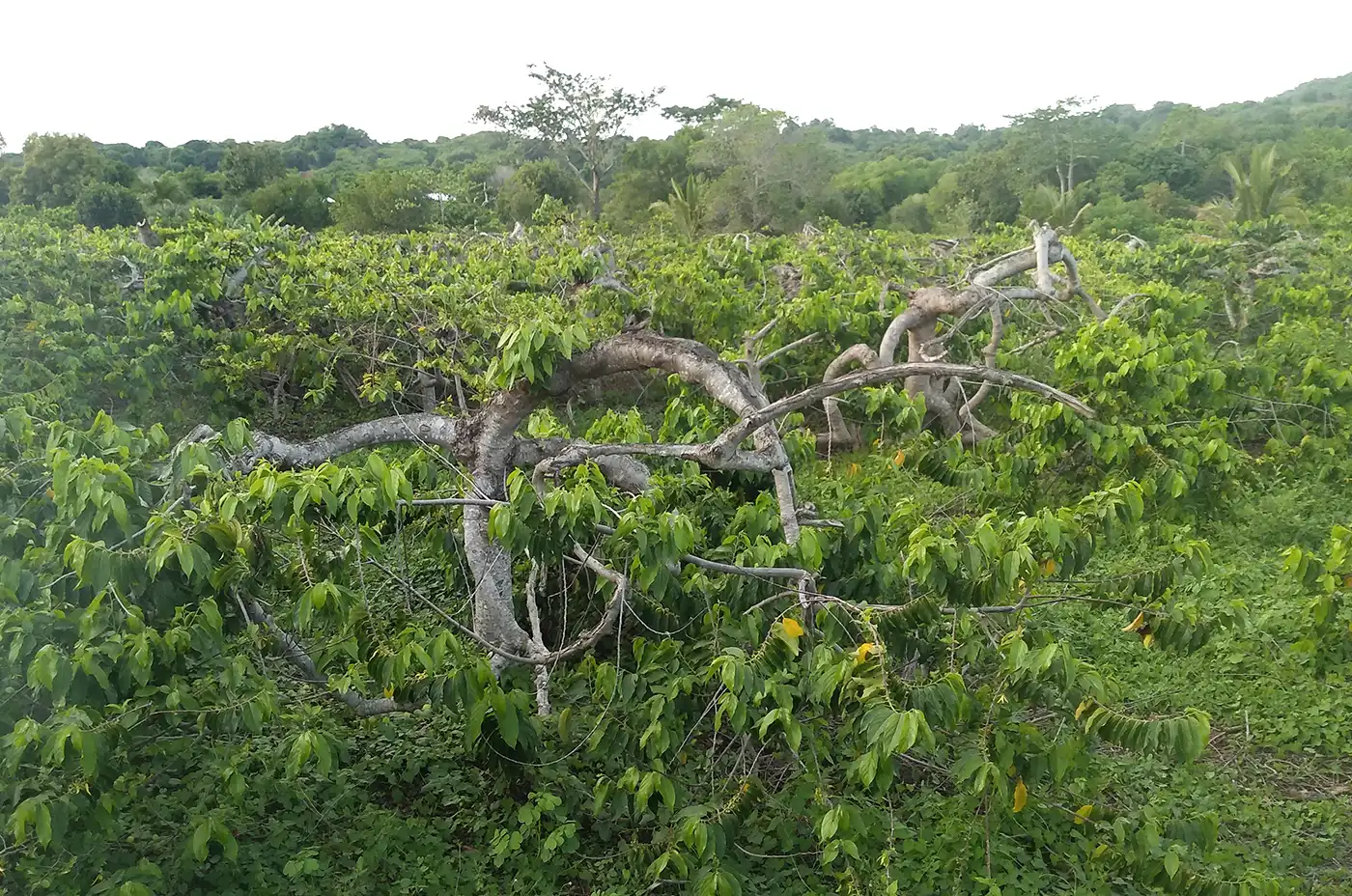
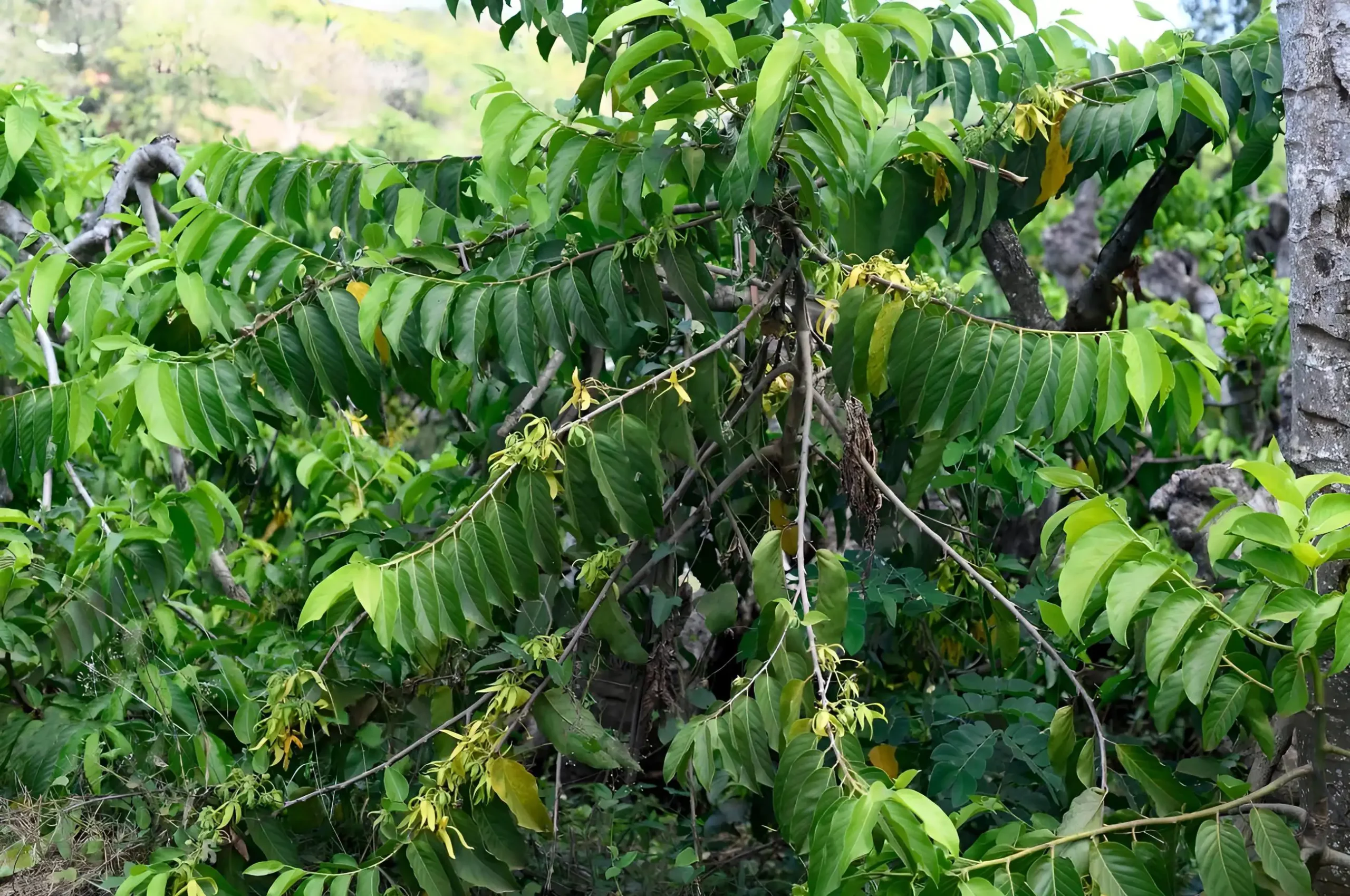
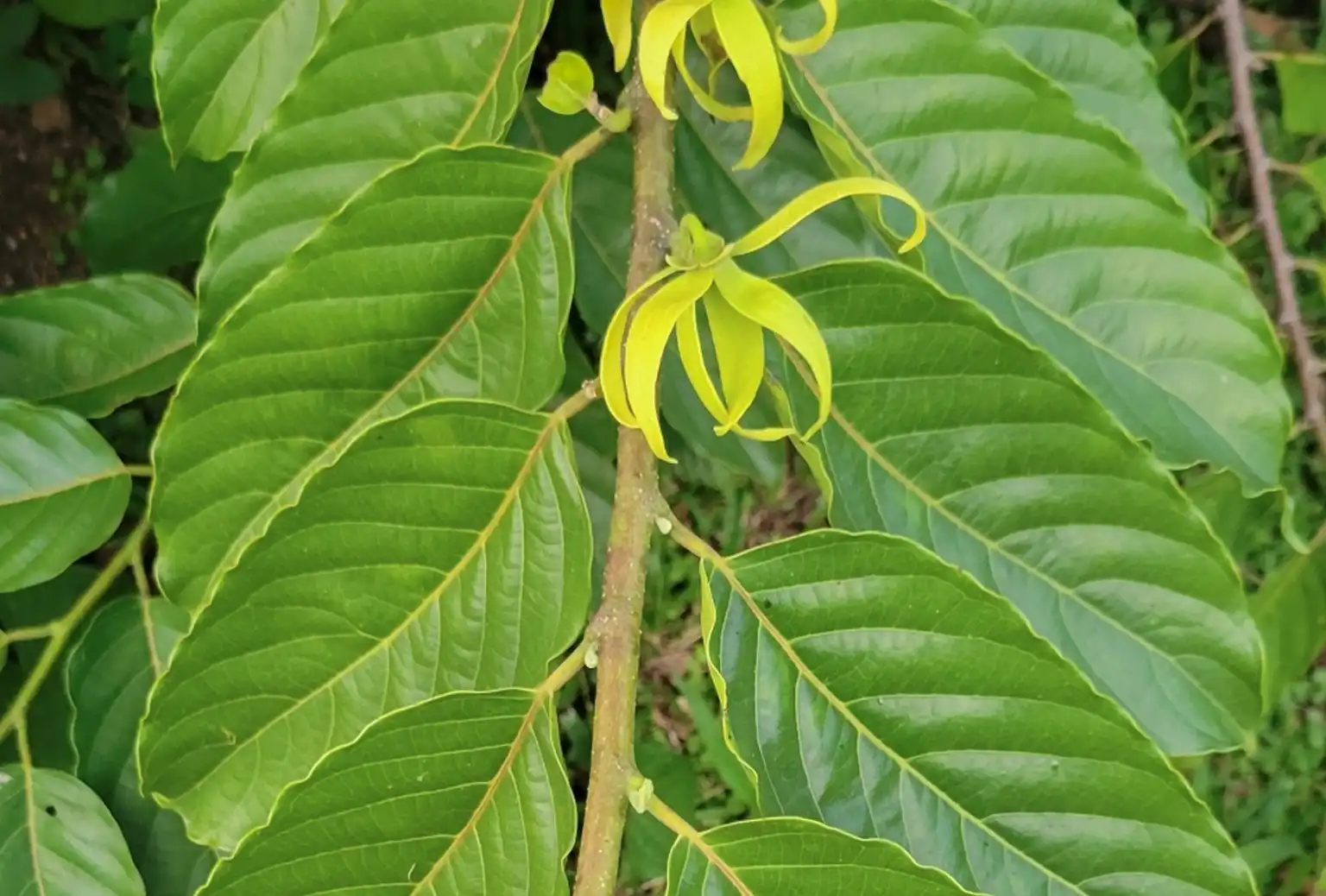
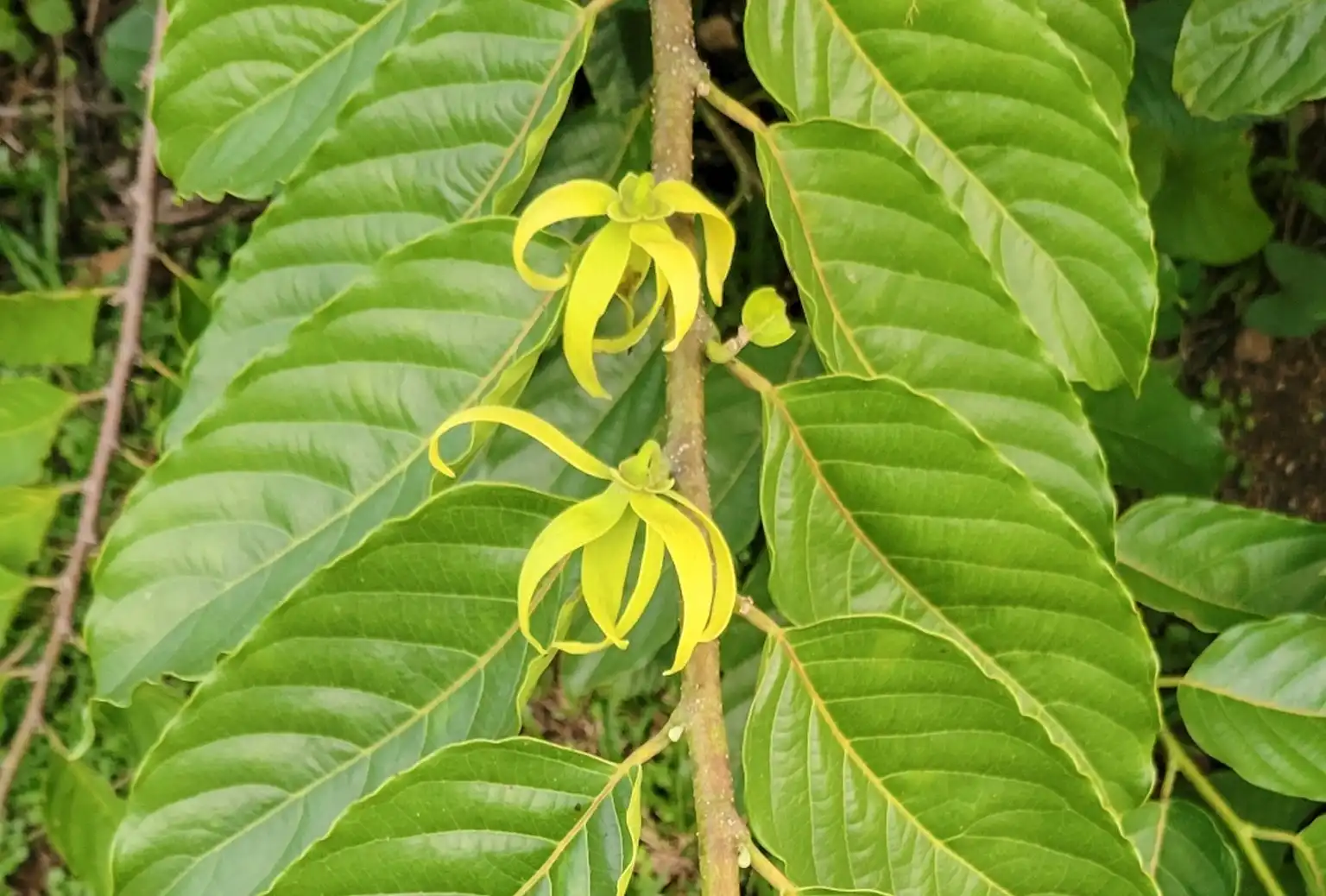
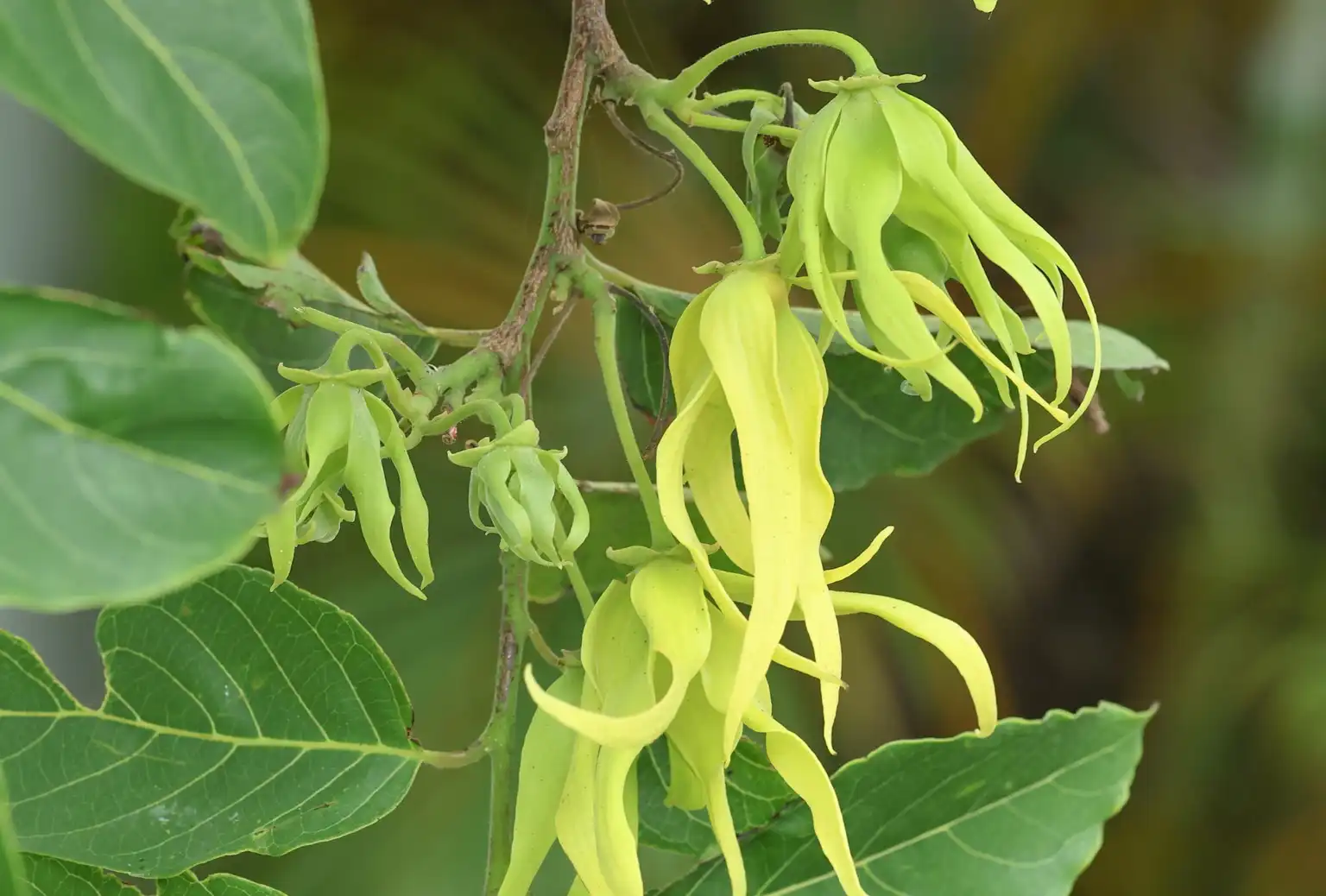
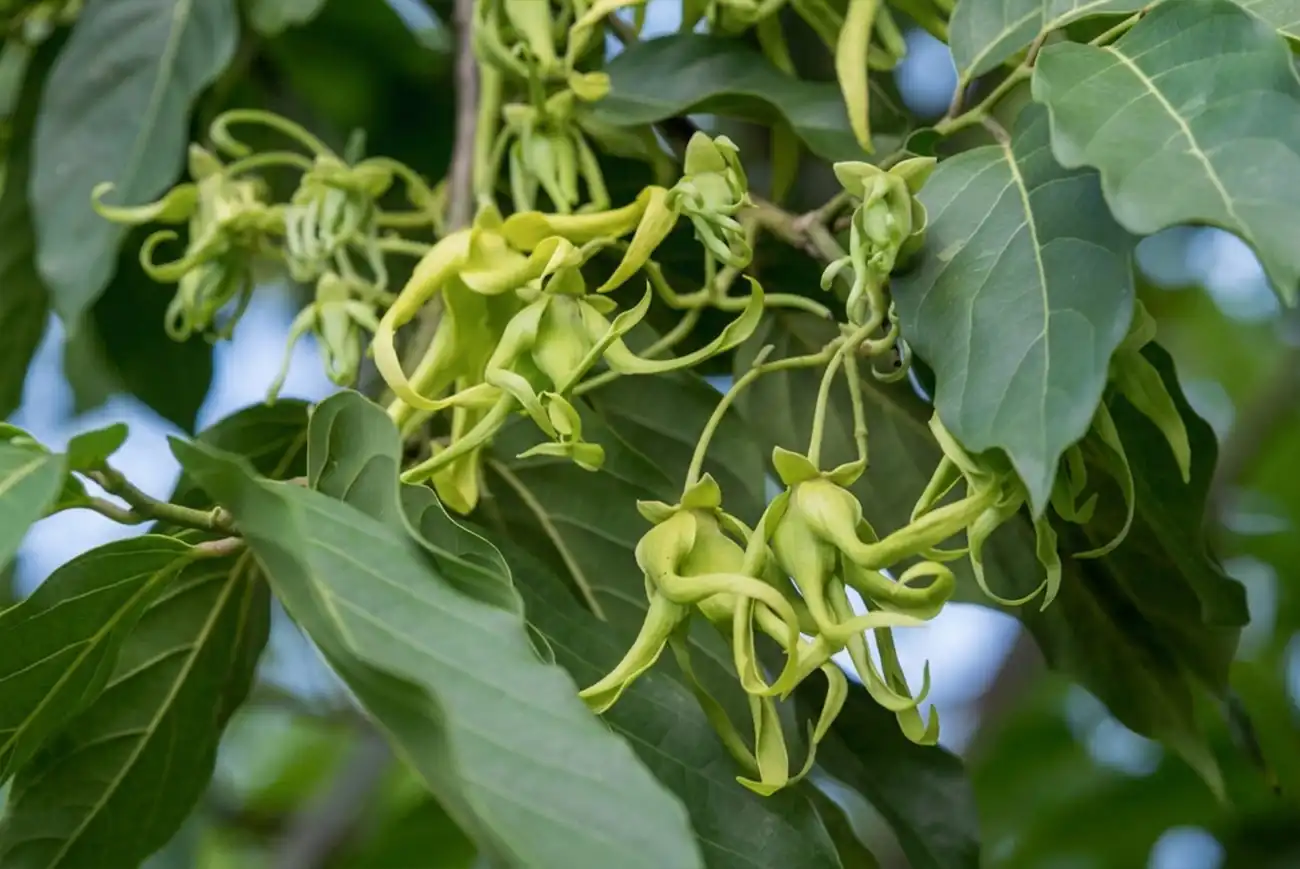
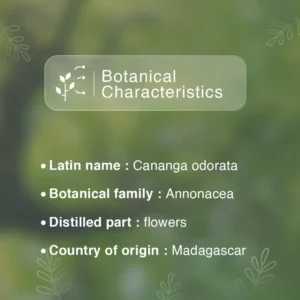
It is possible to export Madagascar Ylang-ylang essential oil, a precious essence sought after worldwide for its captivating fragrance and its many applications in perfumery, cosmetics, and aromatherapy. Aromeya is a wholesale supplier of Ylang-ylang essential oil serving customers around the world. Ylang-ylang, or Cananga odorata, is a small tree known for its intoxicatingly fragrant flowers. Sometimes called the “Crown of the East” or the perfume tree, Ylang-ylang derives its name from the literal meaning “flower of flowers,” referring to its blossoms that sway and hang gracefully in the breeze. During wedding nights, Ylang-ylang flower petals are traditionally scattered on the bed of newlyweds to benefit from their reputed aphrodisiac properties. Ylang-ylang grows on the island of Nosy Be in Madagascar.
Ylang Ylang Essential Oil is highly concentrated in monoterpenic alcohols and carbides, as well as geranyl acetate. These different molecules give it the following main properties:
Ylang ylang essential oil contains allergenic biochemical components:
Linalool (2–16%), benzyl benzoate (≤12%), geraniol (≤5%), farnesol (≤5%), benzyl salicylate (≤4%), benzyl alcohol (≤5%), and isoeugenol (≤3%). A good ylang ylang essential oil must meet specific quality standards. Don’t hesitate to ask your supplier to ensure the authenticity and purity of your oil.
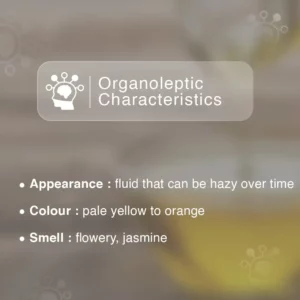

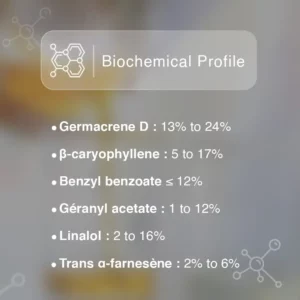
Ylang Ylang Essential Oil is highly concentrated in monoterpenic alcohols and carbides, as well as geranyl acetate. These different molecules give it the following main properties:
Ylang ylang essential oil contains allergenic biochemical components:
Linalool (2–16%), benzyl benzoate (≤12%), geraniol (≤5%), farnesol (≤5%), benzyl salicylate (≤4%), benzyl alcohol (≤5%), and isoeugenol (≤3%). A good ylang ylang essential oil must meet specific quality standards. Don’t hesitate to ask your supplier to ensure the authenticity and purity of your oil.
Essential oil of ylang ylang from Madagascar is indicated for adults. Ylang-ylang essential oil cannot be used by pregnant women under 3 months, babies and children under 3 years of age.
Aromeya suggests ylang ylang essential oil from Madagascar in the following cases: • Heart system disorders (hypertensions, tachycardia) • Panic attack • Sunday Night Blues • Stretch marks and skin problems • Insomnia and sleep disorders Ylang ylang essential oil is also effective for hair treatment to have good hair and fight against hair loss.
The essential oil of Ylang Ylang Complete is irritating to the skin, so it must be diluted in vegetable oil before any skin application (20% essential oil for 80% vegetable oil). The use of Ylang Ylang Complete Essential Oil orally is reserved for the therapist. This essential oil can be used in the kitchen if it is first diluted in fat (oil, cream, yogurt, milk) or sweetened (syrup, honey). It must not interfere pure. Do not diffuse pure: dilute to 10-15% in other essential oils. Pregnant women over 3 months of age can use this essential oil in atmospheric diffusion. May cause headache or nausea if the dose is too high. Overdose and prolonged use should be avoided.
It is obtained by steam distillation of the fresh flowers of Cananga odorata, a tropical tree mainly cultivated in Madagascar, known for producing one of the finest qualities in the world.
The fractions depend on the distillation time: Extra: the finest and most floral, used in perfumery. I, II, III: progressively heavier and spicier, ideal for body care. Complete: full distillation, balanced for aromatherapy.
Its fragrance is floral, sweet, exotic, and captivating, often used to promote relaxation and awaken the senses.
It is recommended to dilute it at 1–2 % in a vegetable oil (such as coconut, jojoba, or sweet almond), as it is very concentrated and potent.

Certified Organic
We produce HBBDE certified essential and vegetable oils
Fair trade
Aromeya applies fair trade rules to all our producers
Aromeya in France
Discover the benefits of our 100% natural essential and vegetable oils from Madagascar, available in France at Ecofloral. Offer your skin and well-being exceptional products, directly sourced from the heart of Madagascar.

Tournaire
Aromeya is the distributor and exclusive representative of Aluminum Tournaire packaging in Madagascar