en
en fr
fr es
es zh
zh

Eugenol, eugenyl acetate, and beta-caryophyllene are the main components of clove bud essential oil. These compounds provide clove bud essential oil with the following properties:




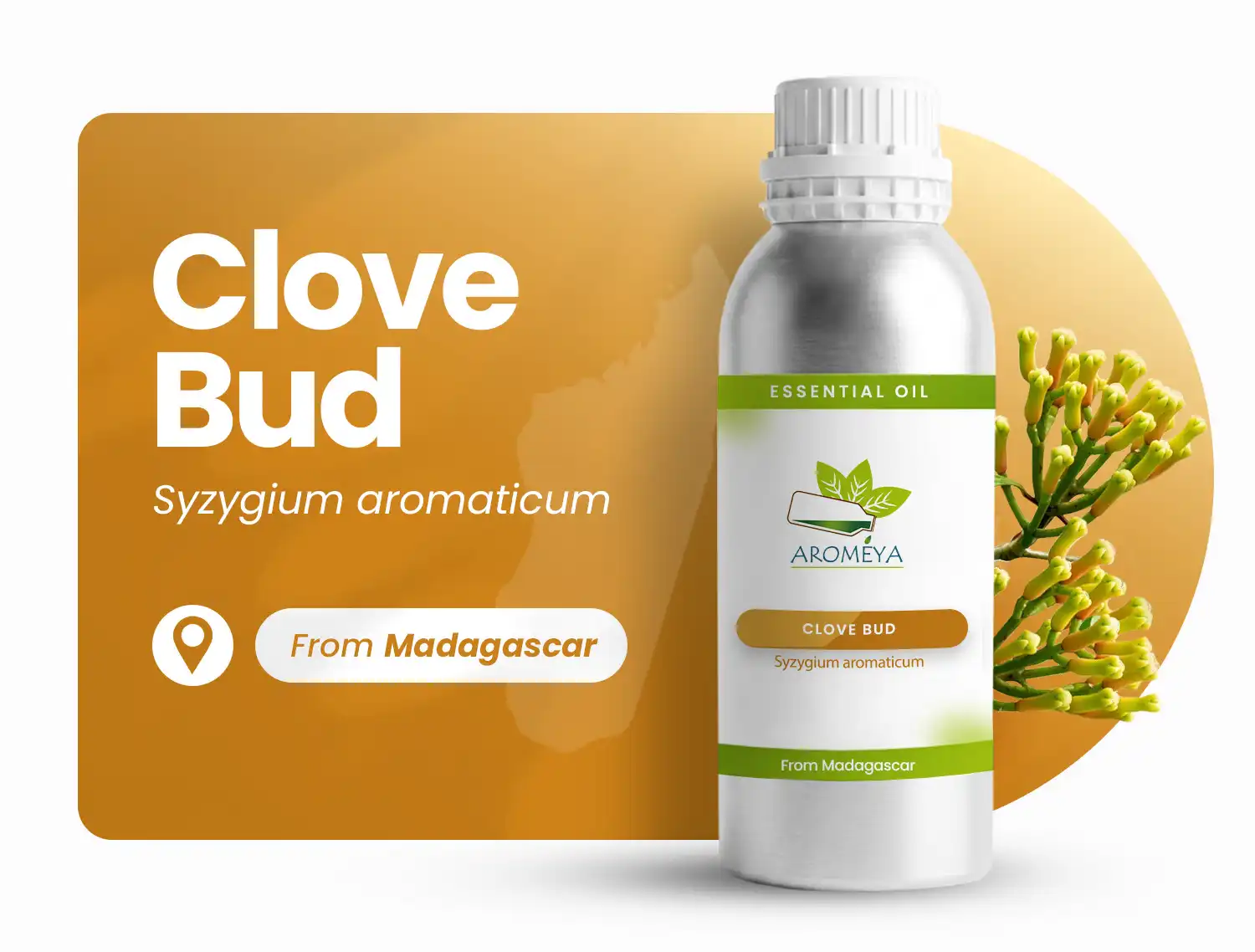

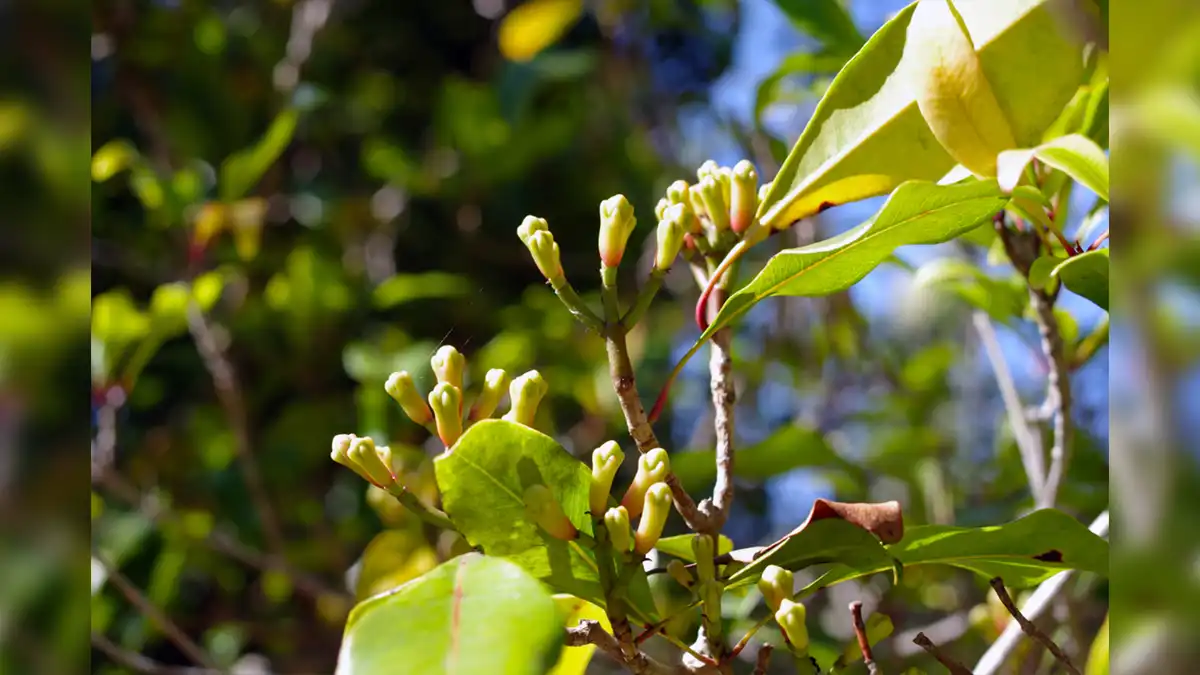
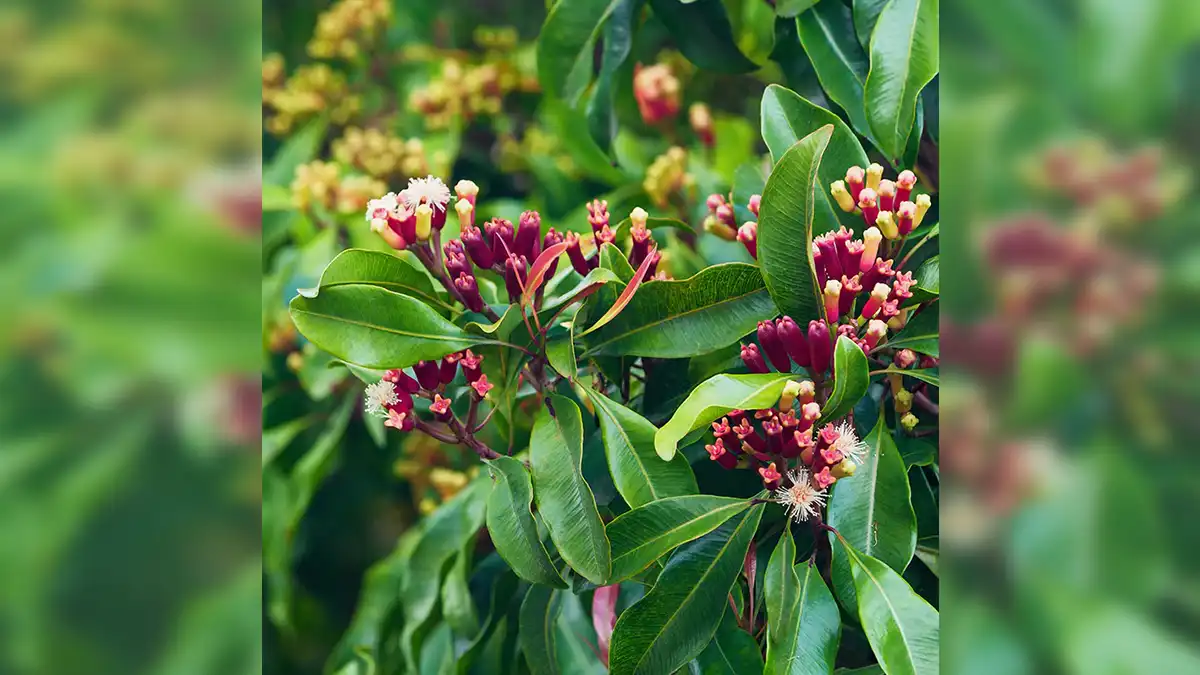

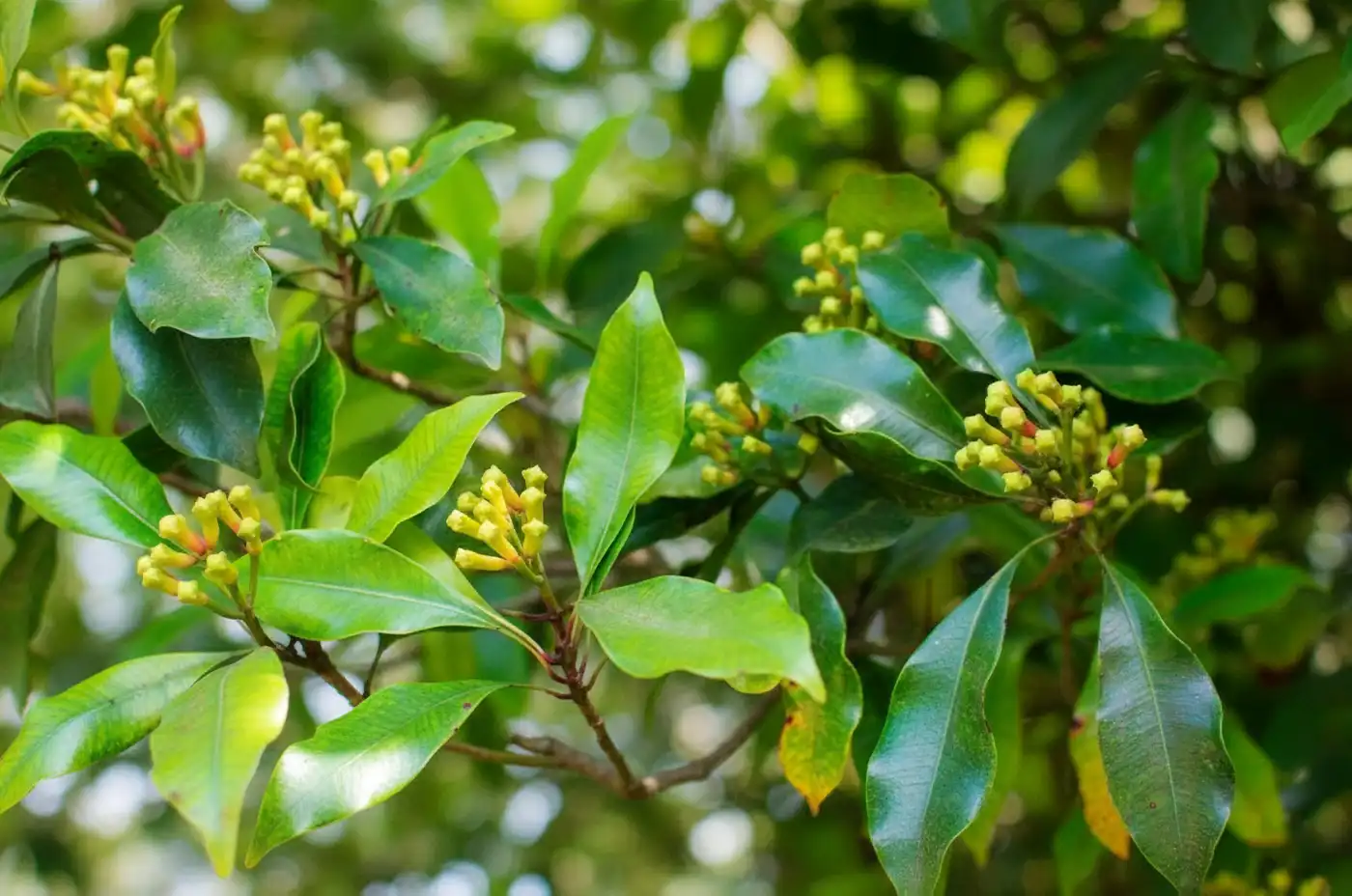

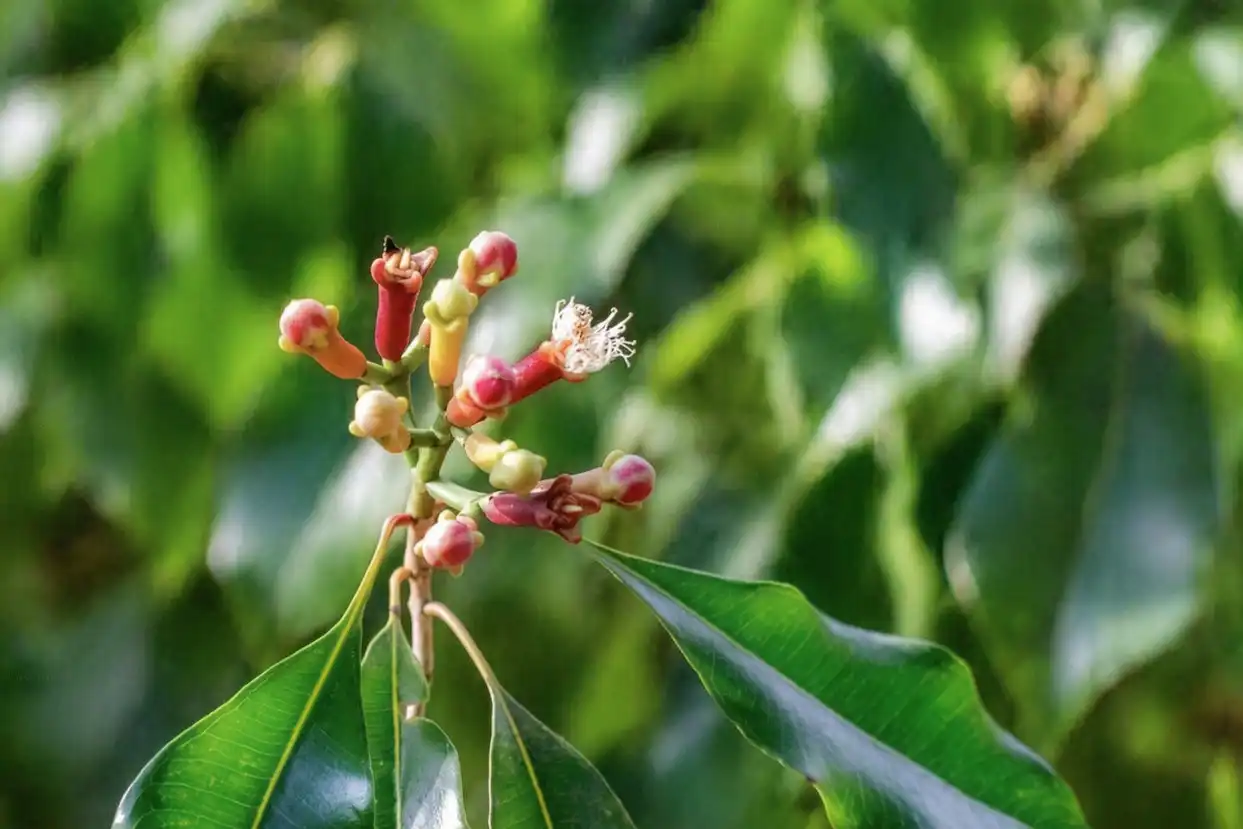


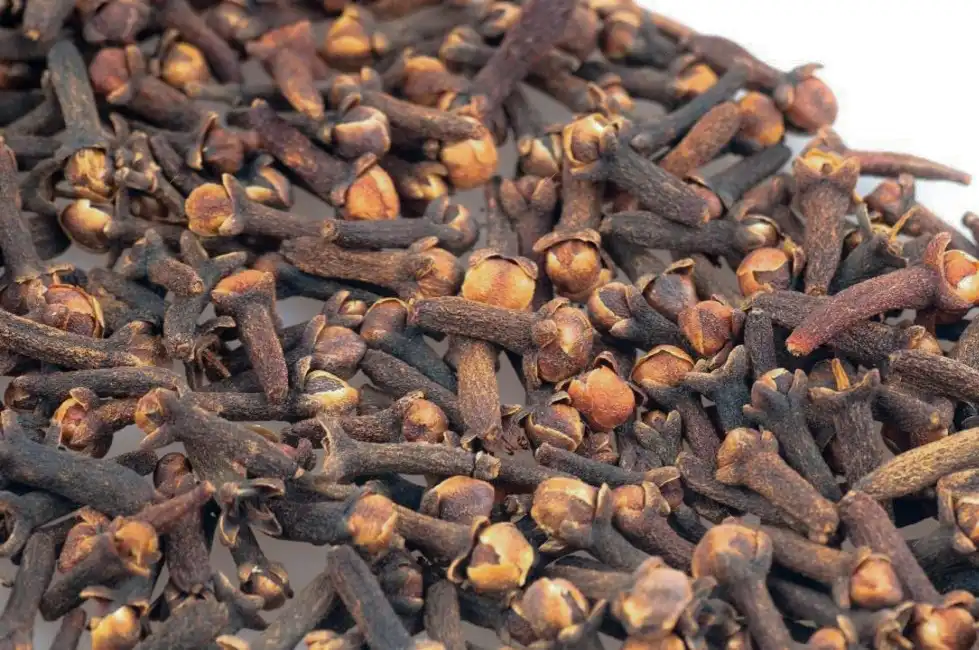
It is possible to export clove bud essential oil from Madagascar. Aromeya is a wholesaler of clove bud essential oil, distributing it worldwide. The familiar scent often noticed at the dentist’s office comes from clove buds, scientifically known as Eugenia caryophyllata. Historically, clove buds have been used to relieve toothaches and freshen breath, a practice dating back to the Greeks, Romans, and Chinese, who even used it when speaking with the Emperor. In Madagascar, clove bud—called jirofo in Malagasy—is one of the most exported spices. It grows mainly along the east coast of the island. The buds are used both in cooking and to produce clove bud essential oil.
Eugenol, eugenyl acetate, and beta-caryophyllene are the main components of clove bud essential oil. These compounds provide clove bud essential oil with the following properties:
Clove bud essential oil contains a highly allergenic biochemical component: eugenol (warning! 72–88%), along with benzyl benzoate (≤ 5%), linalool (≤ 2%), isoeugenol (≤ 1%), limonene (≤ 1%), and benzyl salicylate (≤ 1%). A good clove bud essential oil should meet specific quality criteria—do not hesitate to ask your supplier to ensure the purity and safety of your oil.




Eugenol, eugenyl acetate, and beta-caryophyllene are the main components of clove bud essential oil. These compounds provide clove bud essential oil with the following properties:
Clove bud essential oil contains a highly allergenic biochemical component: eugenol (warning! 72–88%), along with benzyl benzoate (≤ 5%), linalool (≤ 2%), isoeugenol (≤ 1%), limonene (≤ 1%), and benzyl salicylate (≤ 1%). A good clove bud essential oil should meet specific quality criteria—do not hesitate to ask your supplier to ensure the purity and safety of your oil.
Madagascar clove bud essential oil is indicated in adults. Pregnant women, babies and children under 6 years of age cannot use clove bud essential oil.
Essential clove bud oil from Madagascar sold by Aromeya is effective in the following cases: • Pain and dental infections (cavities, sores, tonsillitis, tooth extraction) • Great physical and intellectual fatigue • Indigestion and stomach aches • Gastric fermentation, diarrhea, flatulence, intestinal parasites Used primarily as a dental anesthetic, clove bud essential oil promotes oral hygiene. It is also effective in preventing infectious diseases and in preparing for effort.
The use of Clove bud essential oil is contraindicated if the intake is made at the same time as that of anticoagulant drugs. Hypertensive people should use it with the utmost caution as it can increase blood pressure.
Oral use of this essential oil must be prescribed by a therapist. Do not use this essential oil for an extended period of time without medical advice. For children and babies, use in diluted oral care is possible on the advice of a therapist. Use is prohibited for pregnant women except diluted and on medical prescription. It may in particular be prescribed as psychological aid at the time of delivery (diluted by the skin or exceptionally ingested).
It has antiseptic, analgesic, stimulating, and antibacterial properties, making it ideal for body care and general well-being.
It is obtained by distillation of the dried flower buds of the clove tree, cultivated in Madagascar, and is known for its warm, spicy, and aromatic fragrance.
Yes, when diluted in a vegetable oil, it purifies and stimulates the skin, but it should be used with caution to avoid irritation.
It should be used with caution and diluted in a vegetable oil before any topical application. It can also be used as an ingredient in cosmetic, perfumery or flavoring formulations. Applying pure essential oil directly to the skin is not recommended.
At high concentrations or in sensitive individuals, it may cause skin irritation, allergic reactions or contact dermatitis. Ingestion of large amounts can be toxic and may cause digestive, neurological or hepatic disorders.
Yes. It can be used as a fragrance, aromatic or functional ingredient in certain cosmetic formulations. However, due to its high eugenol content and sensitizing potential, its concentration must be carefully controlled and applicable regulatory requirements must be followed.
It is particularly appreciated for its antioxidant, antimicrobial, anti-inflammatory and analgesic properties. Clove essential oil is especially used in certain oral hygiene products.
Clove essential oil may be used by adults. It is strongly discouraged for children, pregnant women and breastfeeding women.

Certified Organic
We produce HBBDE certified essential and vegetable oils

Fair trade
Aromeya applies fair trade rules to all our producers

Aromeya in France
Discover the benefits of our 100% natural essential and vegetable oils from Madagascar, available in France at Ecofloral. Offer your skin and well-being exceptional products, directly sourced from the heart of Madagascar.

Tournaire
Aromeya is the distributor and exclusive representative of Aluminum Tournaire packaging in Madagascar